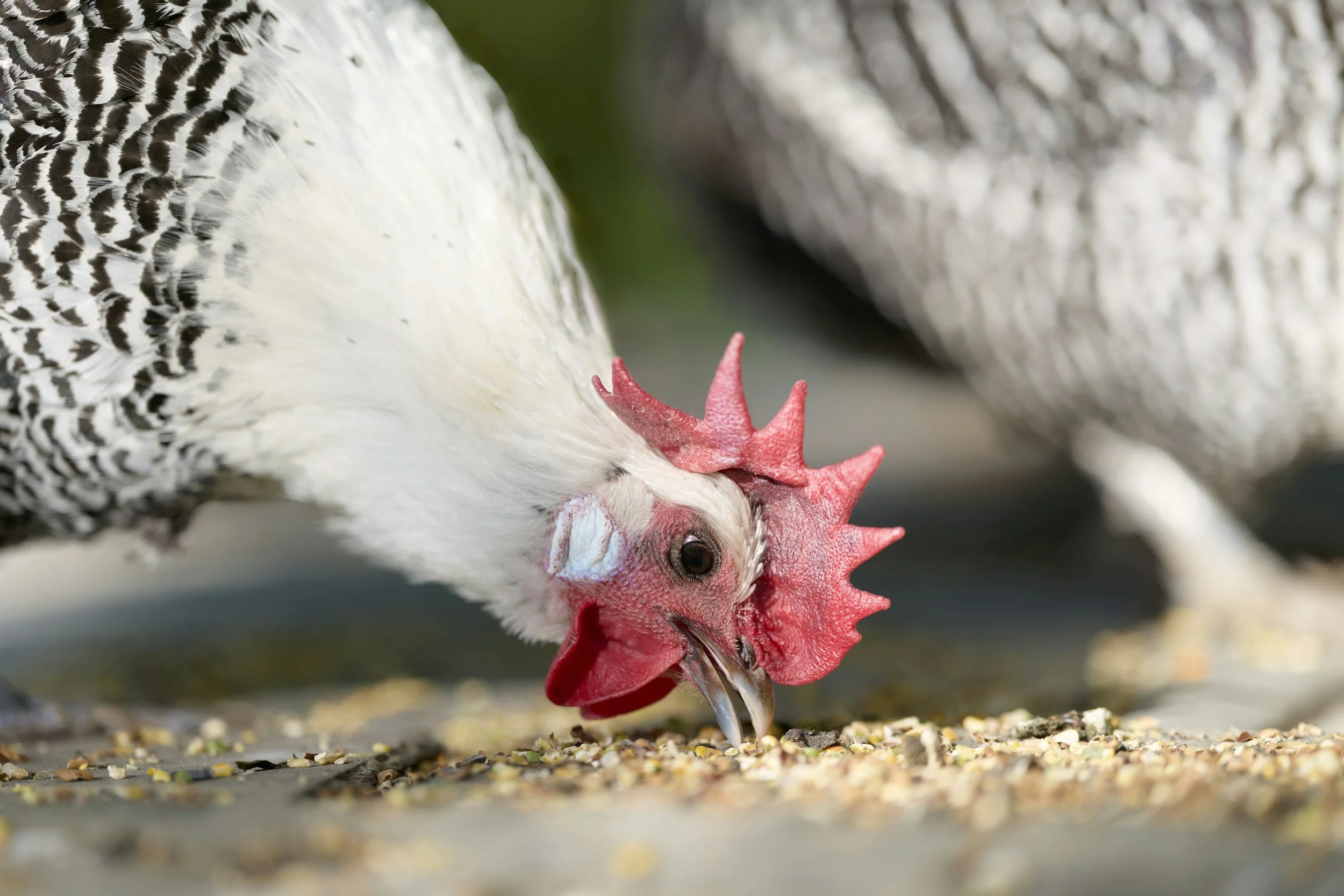
There's a lot more to feeding chickens than filling up a feeder and collecting eggs every morning. If you ask me, nutrition is one of the most important investments you can make in your flock, and it's something that deserves a little more thought than simply buying the cheapest bag of feed available.
We believe that chickens should be raised to a higher standard of living. That means providing adequate space, good nutrition, opportunities to forage, and an environment where they can actually enjoy being chickens.
And it all starts with what goes into their feeder.
Start With a Good Foundation
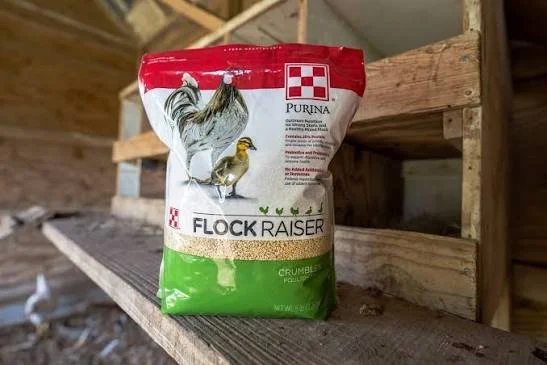
The foundation of any good chicken nutrition program should be a quality, nutritionally complete poultry feed.
We use Purina Flock Raiser as our primary feed, providing our flock with free-choice access throughout the day. A properly formulated feed provides the essential protein, amino acids, vitamins, minerals, and energy that chickens need to maintain their health and support egg production.
It's important to understand that homemade scratch mixes, kitchen scraps, and whatever your chickens find in the yard aren't nutritionally complete.
We personally enjoy using Purina Flock Raiser as the foundation of our feeding program. It provides a good nutritional base, has an ingredient profile we're comfortable with, and gives us confidence that our flock's essential dietary needs are being addressed.
Think of complete feed as the foundation. Everything else is an opportunity to build on it.
Variety Matters
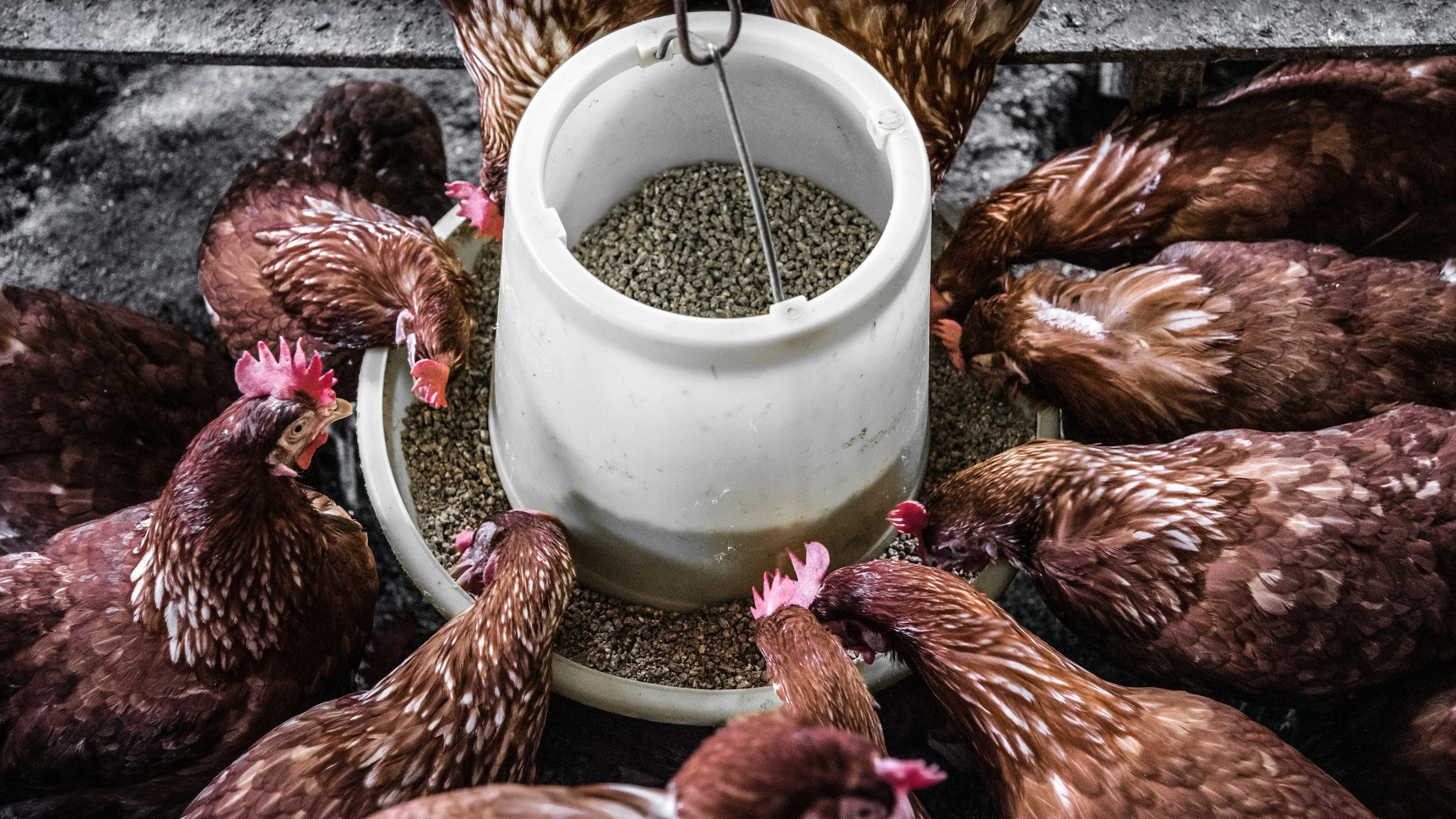
One thing we really enjoy doing is incorporating a variety of quality ingredients into our chickens' diets.
Chickens are omnivores, and their nutritional needs aren't limited to corn and soybeans.
They benefit from a variety of protein, carbohydrate, fat, vitamin, and mineral sources.
Our homemade treat blend incorporates ingredients such as:
Cut corn: Provides an additional source of dietary energy.
Black soldier fly larvae (BSFL): A concentrated source of protein, fat, and naturally occurring minerals.
Mealworms: Another insect-based protein and fat source.
Beneficial herbal mix: Adds botanical variety to the blend.
Alfalfa meal: Contributes protein, fiber, and naturally occurring vitamins and minerals.
Black oil sunflower seeds: Supply fats, protein, and vitamin E.
Nature Intended supplement: Contains brewer's yeast, probiotics, niacin, and additional vitamins.
Black sesame seeds: Provide healthy fats, protein, and minerals.
Brown flaxseed: Supplies plant-based omega-3 fatty acids and additional nutrients.
We like this combination because it brings together several different ingredient sources rather than relying on one or two ingredients to provide everything. It's important to remember that this is a supplemental treat blend, not a replacement for complete poultry feed.
Let Them Forage!
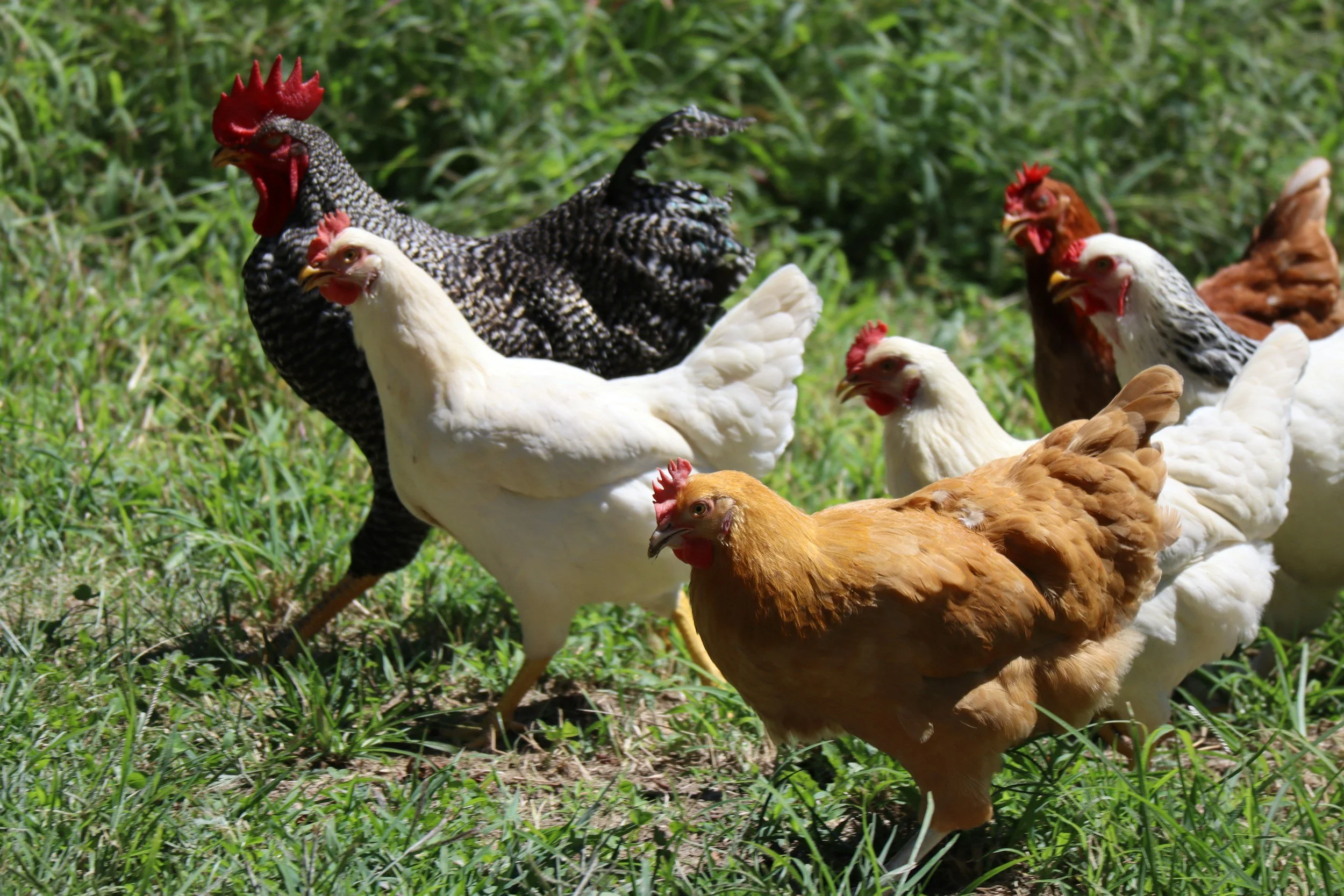
If there's one thing chickens were made to do, it's forage.
A chicken's natural behavior involves scratching through leaves, investigating the ground, chasing insects, picking at vegetation, and searching for anything edible.
Free-ranging gives chickens opportunities to engage in these behaviors while discovering additional food sources.
Depending on the environment, chickens can find:
Insects and other invertebrates.
Seeds and naturally occurring vegetation.
Tender grasses and leaves.
Worms and other small organisms.
Fruits and other edible plant material.
We believe allowing chickens to forage is an important part of providing them with a fulfilling life.
Of course, natural forage varies with the seasons and environment, so it shouldn't replace a nutritionally complete feed. Think of it as another opportunity to provide enrichment and dietary variety.
Don't Forget Grit and Calcium
Two things we consider essential additions to our feeding setup are poultry grit and oyster shell.
They're both important, but they serve completely different purposes.
Grit
Chickens don't have teeth. Instead, they use their gizzards to grind food, and insoluble grit helps that process along.
This becomes especially important when chickens have access to whole grains, seeds, vegetation, and other naturally foraged materials.
Oyster Shell
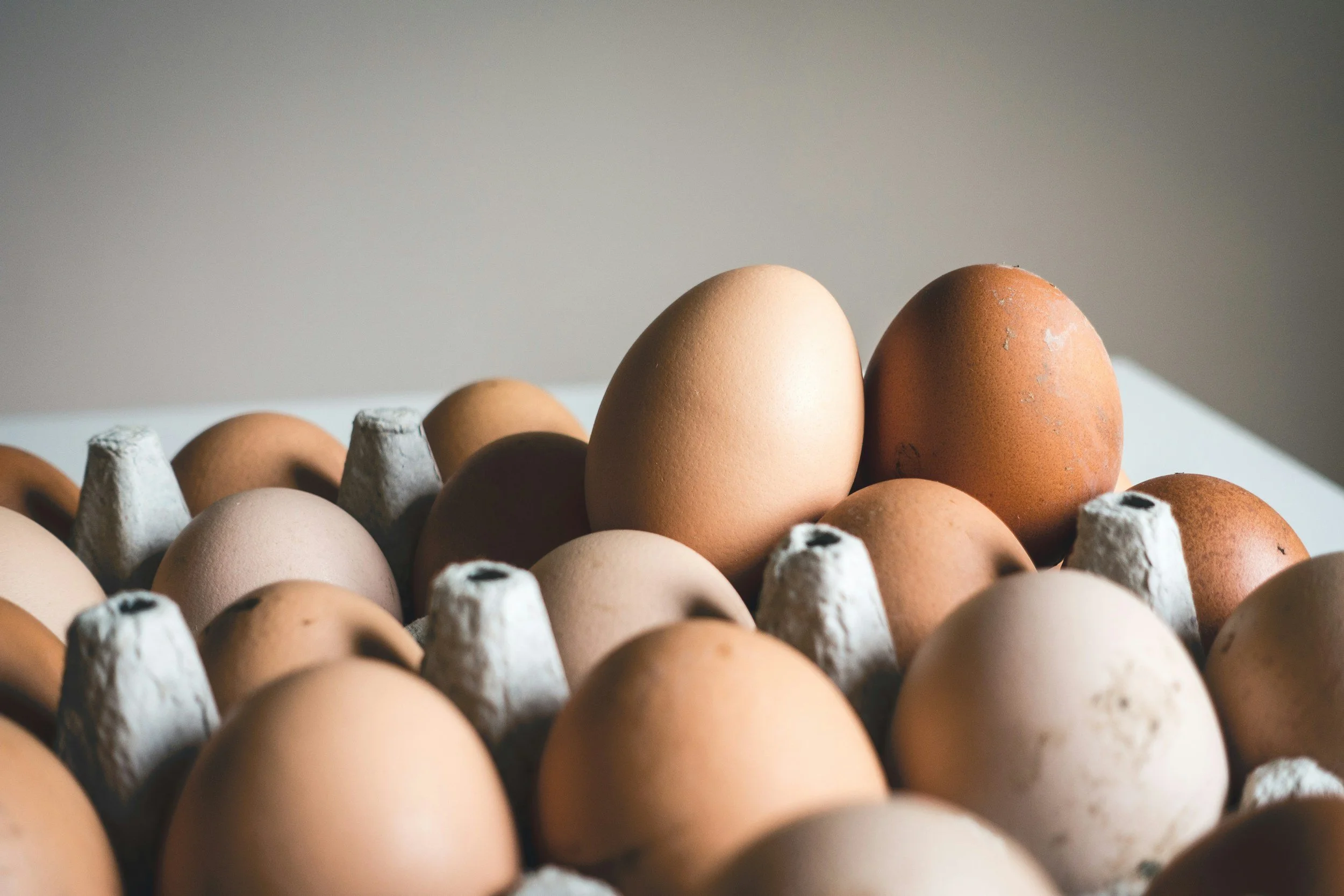
Laying hens have substantial calcium requirements because they're constantly producing eggshells.
We provide oyster shell flakes separately, allowing our hens to consume additional calcium as needed.
We prefer offering it free-choice rather than mixing it directly into the primary feed. This allows individual hens to regulate their supplemental calcium intake.
Strong eggshells and healthy bones both depend on adequate calcium nutrition.
A Hen Is a Living Being, Not an Egg Machine
For decades, commercial poultry production has placed enormous emphasis on efficiency, production numbers, and keeping operating costs down. While efficiency has its place, we believe the quality of life of the animal should never become secondary to the demands of production.
Commercial poultry diets are formulated to meet established nutritional requirements, and a nutritionally complete feed absolutely has its place. But we believe responsible animal care means going beyond the minimum nutritional requirements and looking at how we can provide a more varied, enriching diet.
We believe in starting with a nutritionally complete foundation while incorporating additional dietary variety through carefully selected supplemental ingredients and natural foraging opportunities.
Our chickens enjoy a homemade treat blend containing insect proteins, seeds, herbs, and other nutritional ingredients. They also have opportunities to forage for naturally occurring food throughout the day. We believe these opportunities contribute to a more enriching feeding experience while allowing our hens to express their natural behaviors.
But nutrition is only part of the equation.
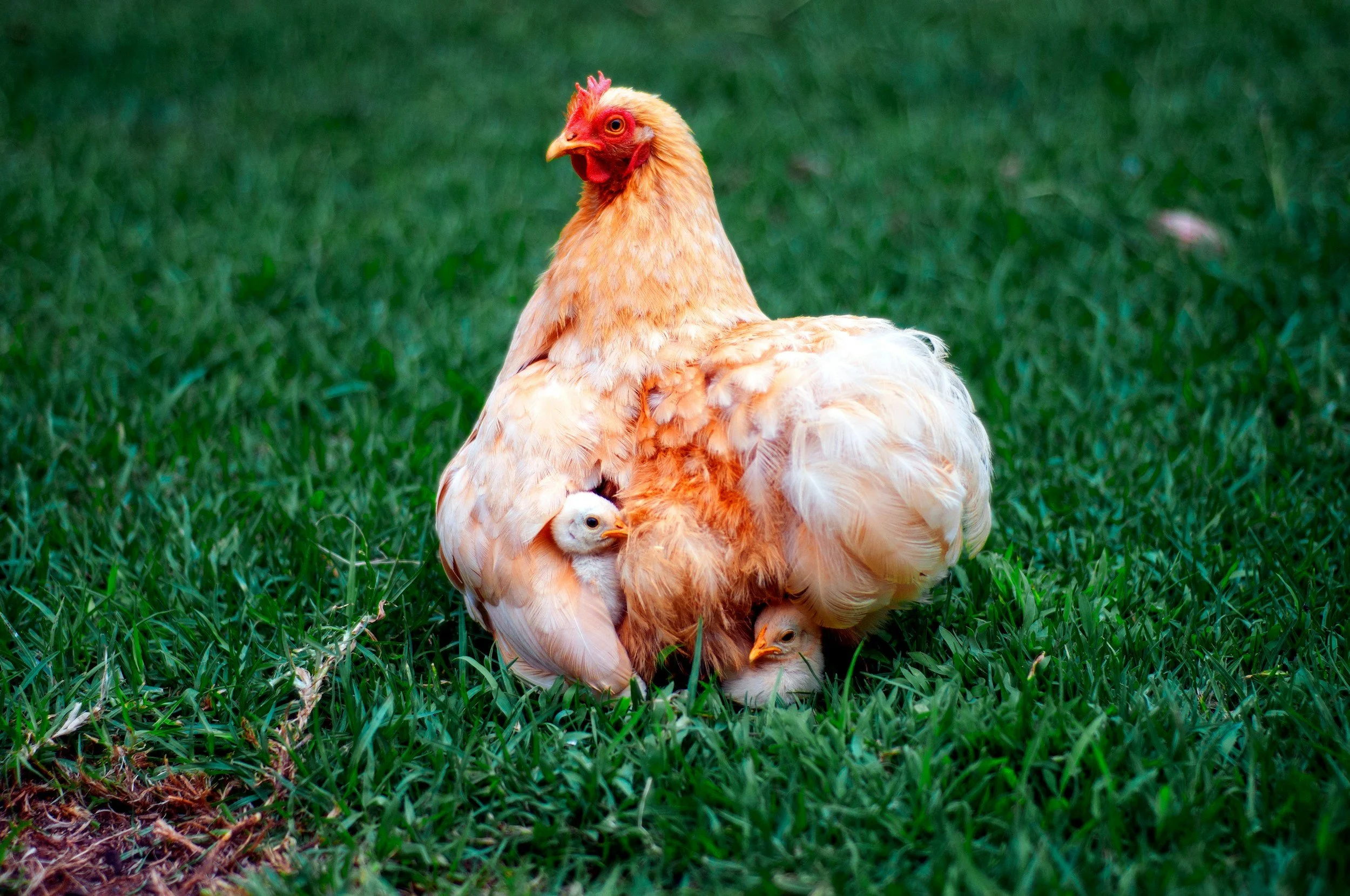
A chicken needs more than enough calories to produce an egg. She needs adequate space to move freely, opportunities to forage, room to socialize, and an environment where she can scratch, dust bathe, perch, and behave like a chicken. She needs a diet that supports her overall health, not simply one that sustains egg production.
We believe there's a difference between keeping an animal productive and giving that animal a good life. We should never lose sight of that distinction.
A hen can only put the nutrients available to her into the eggs she produces.
