Choosing your first chickens can be exciting, but with hundreds of breeds and varieties to choose from, it can also get overwhelming pretty quickly. Rhode Island Reds, Barred Rocks, Silkies, Golden Comets, Jersey Giants… where do you even start?
The truth is, there isn't one perfect chicken breed. The best breed for you depends entirely on what you want out of your flock.
Are you looking for a steady supply of eggs? Meat production? A friendly backyard pet? Maybe you want a little bit of everything, or even plan on breeding your own chickens someday.
Let's break down the different types of chickens and which breeds are worth considering for each purpose.
Egg Production: Production Hybrids
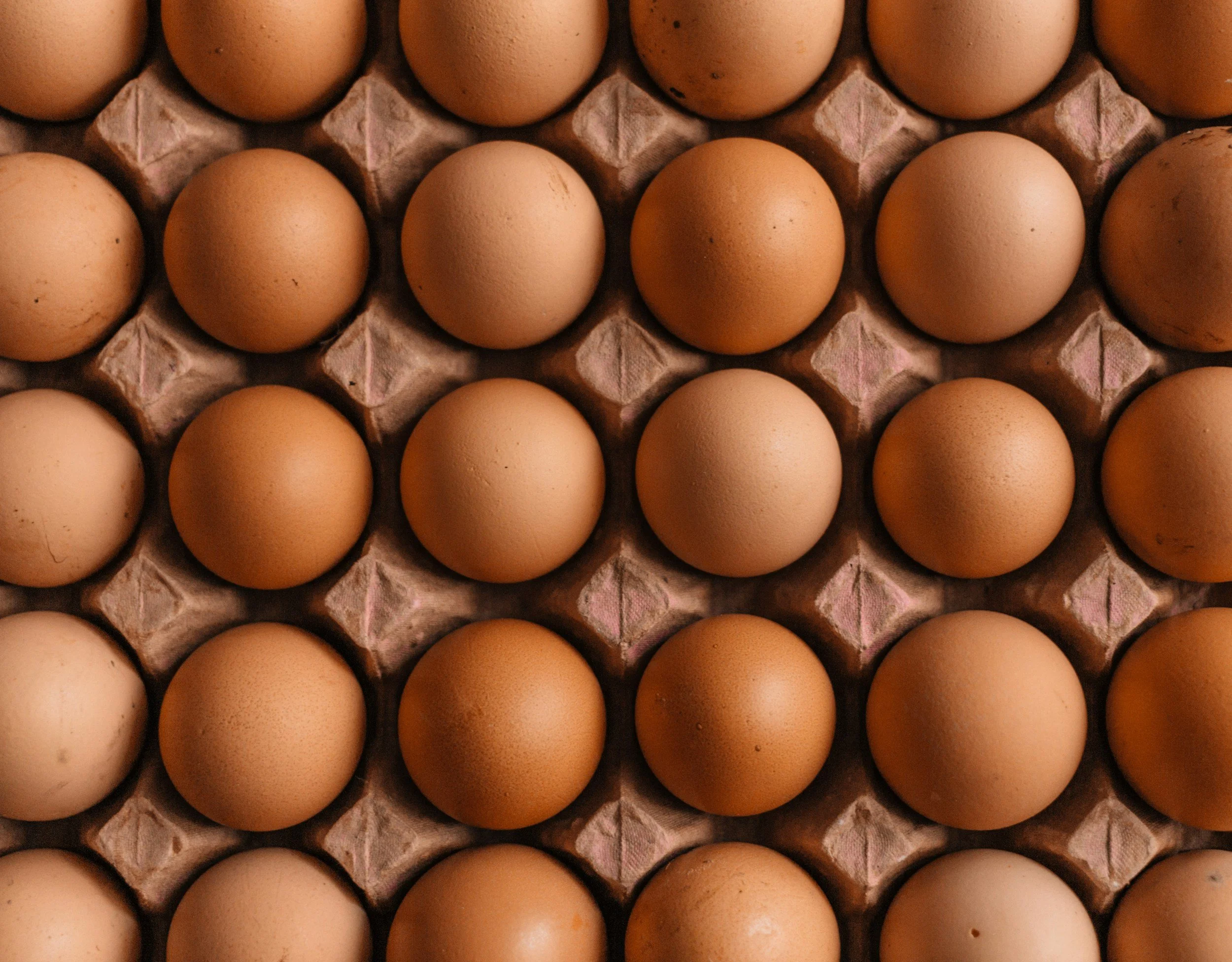
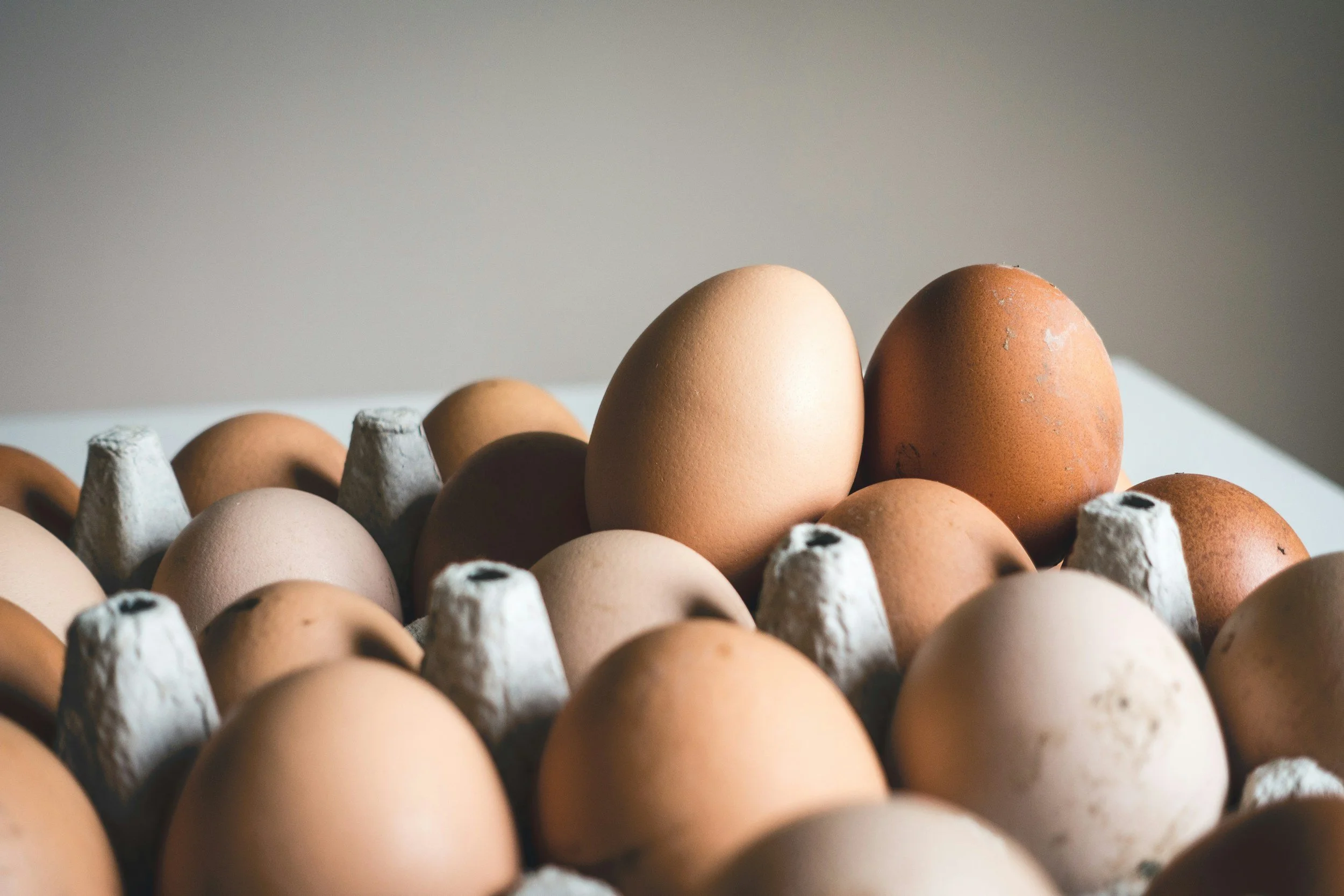
If your primary goal is collecting as many eggs as possible, you're going to have a hard time beating production hybrids.
These chickens are specifically bred for egg production, feed efficiency, and consistent laying. They've been selectively developed to produce large quantities of eggs, making them an excellent choice for backyard egg keepers and commercial operations alike.
Some popular production hybrids include:
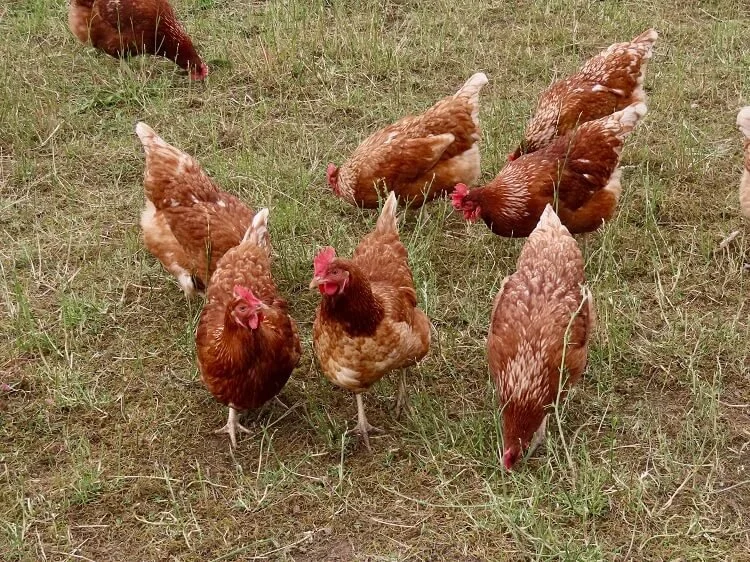
ISA Brown
Excellent brown egg production with a generally friendly temperament.
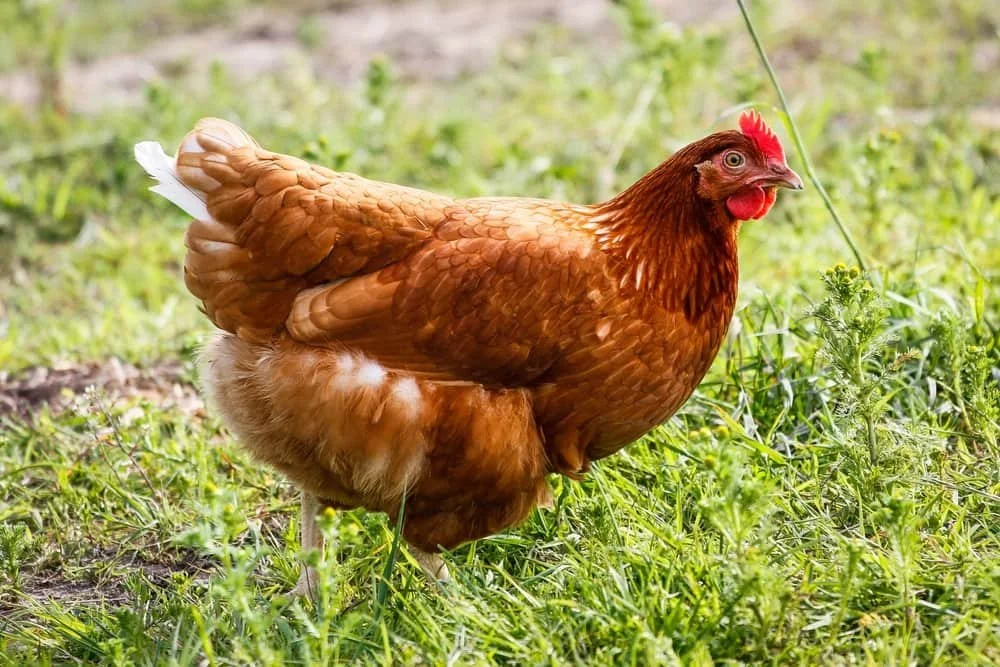
Golden Comet
A productive brown-egg layer known for its efficiency and friendly personality.
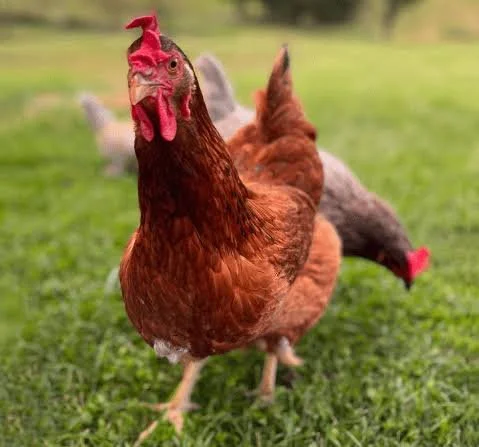
Cinnamon Queen
A productive brown-egg hybrid that's popular among backyard keepers.
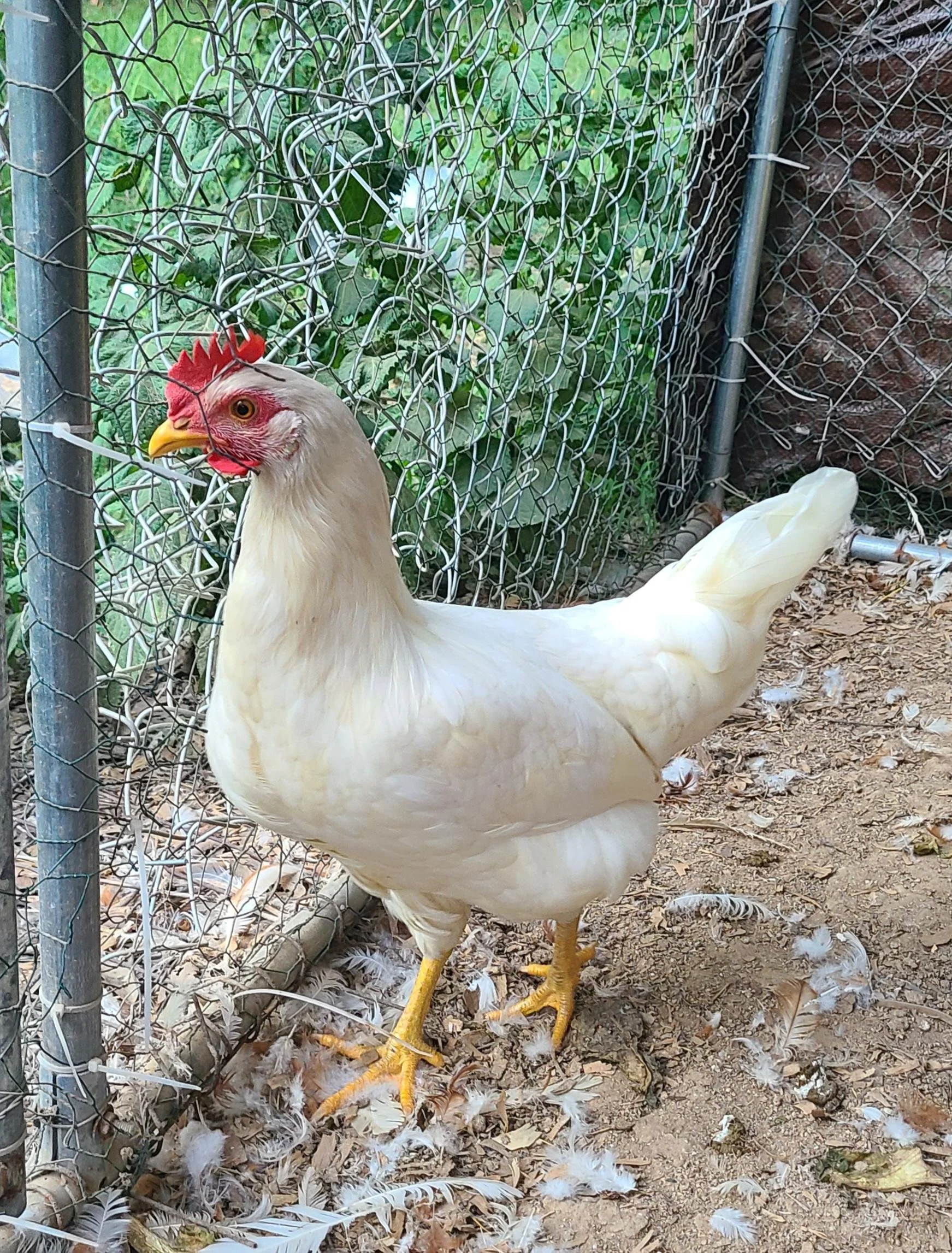
California Tan
A productive, lightweight layer that produces white to tinted eggs.
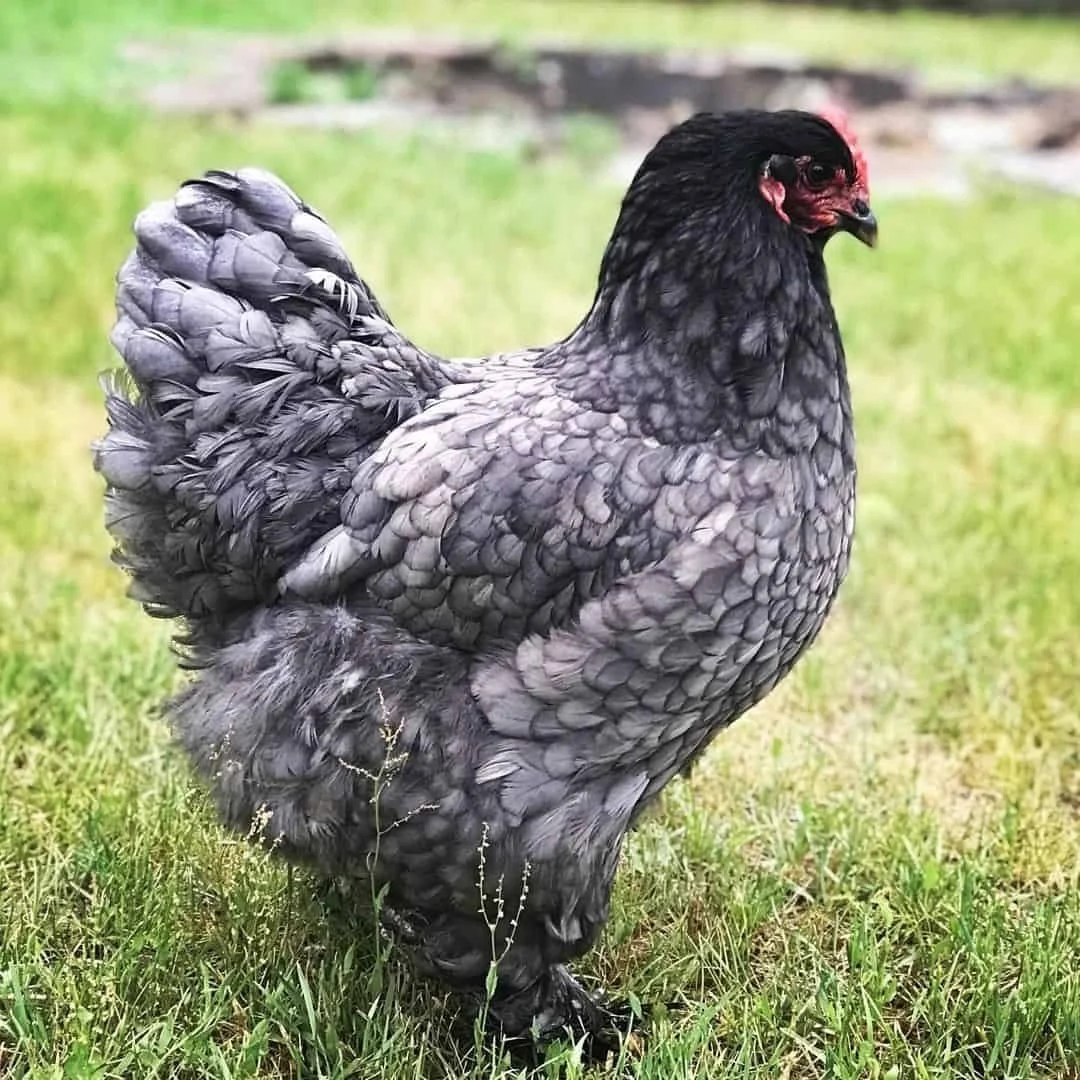
Production Blue
A productive hybrid known for its blue-gray appearance and egg-laying ability.
Purpose
Hybrids are the types of chickens you want if your priority is filling an egg basket.
Heritage breeds are the types of chickens you want if your priority is versatility, breeding your own birds, and getting a combination of eggs, meat, and companionship.
Ornamental breeds are what you want if your priority is appearance, personality, and having unique backyard pets.
One thing to understand about hybrids is that their offspring won't reliably reproduce the same desirable traits. You can breed them, but the next generation won't necessarily have the same production, appearance, or consistency as the parent birds.
If you're looking for predictable genetics and want to breed your own flock, heritage breeds are generally the better option.
Meat Birds and Dual-Purpose Breeds
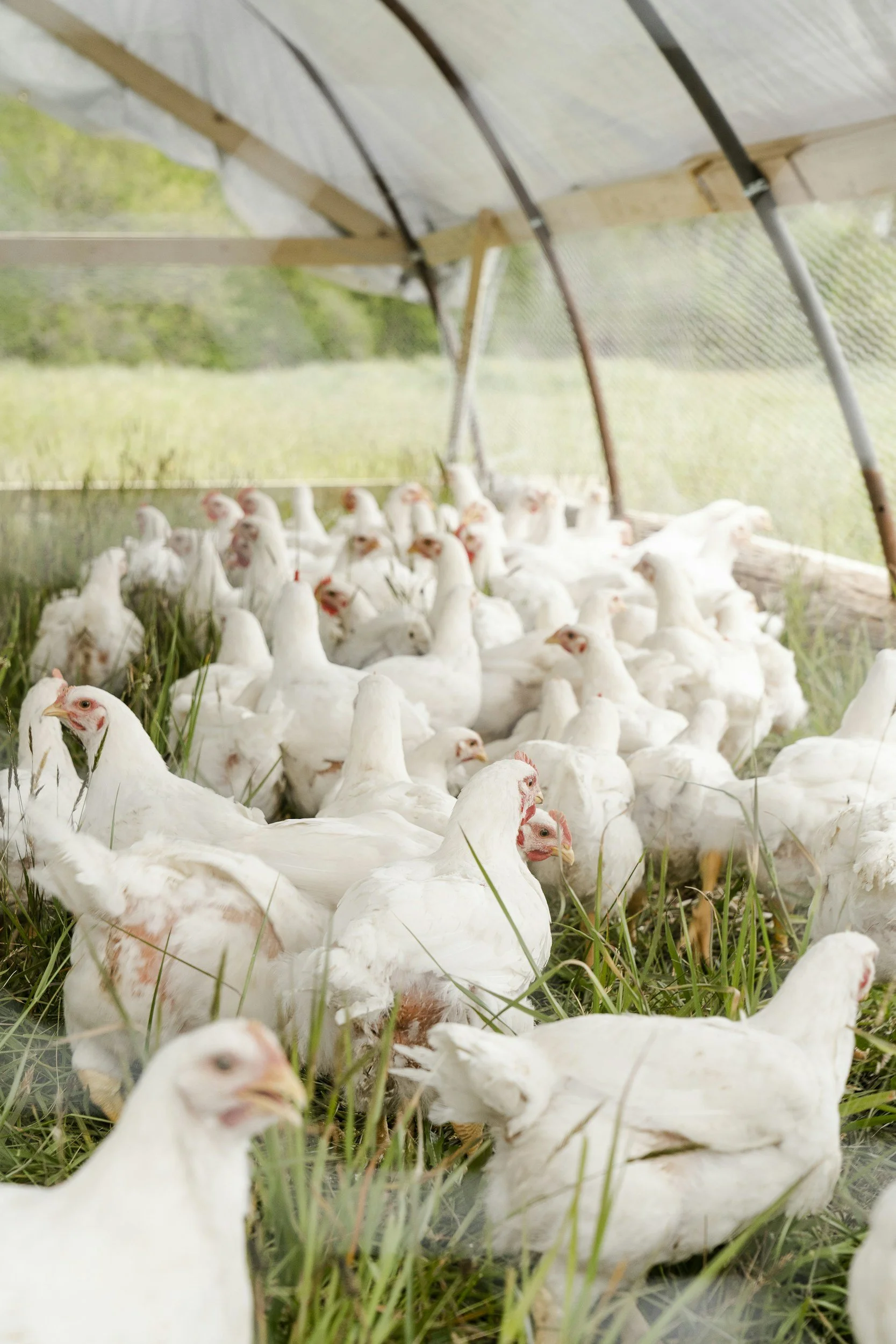
If meat production is your primary goal, your options depend on how quickly you want your birds to grow and what kind of meat production system you're interested in.
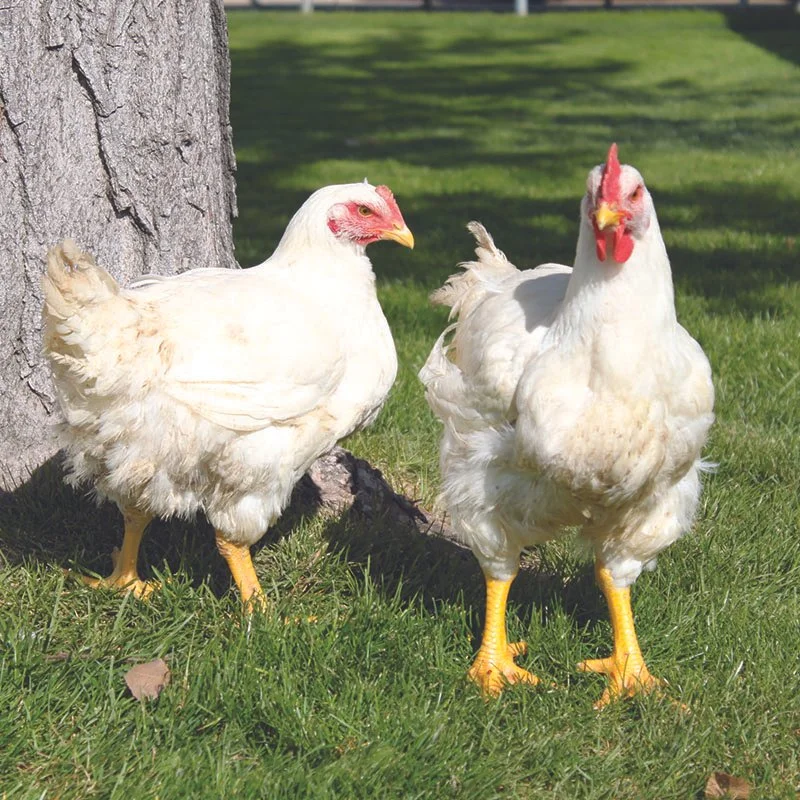
Cornish Cross
The Cornish Cross is the commercial standard for meat production. These birds are specifically bred for rapid growth, efficient feed conversion, and producing a substantial amount of meat in a relatively short period.
If your goal is maximum meat production in the shortest amount of time, this is generally the bird you're looking for.
Heritage Meat Breeds
Heritage breeds are a different approach. They generally take considerably longer to mature and won't produce the same amount of meat in the same timeframe as a Cornish Cross.
However, they offer different flavor, texture, and carcass characteristics that some customers and specialty markets appreciate. They also give homesteaders the opportunity to maintain a breeding flock rather than continually purchasing specialized meat chicks.
If you want a large heritage breed that can serve as a dual-purpose bird, consider the Jersey Giant
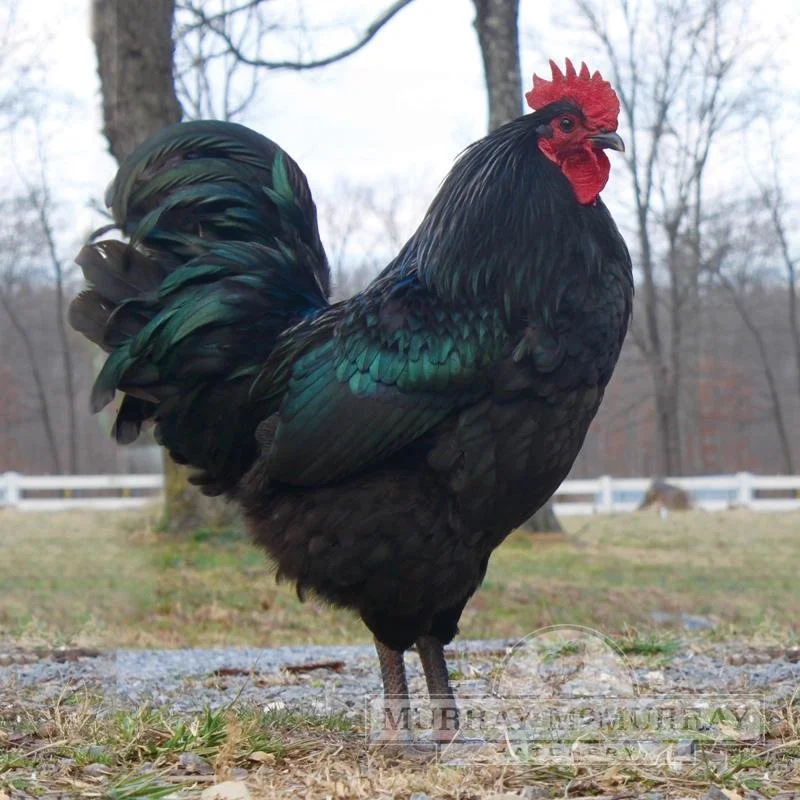
Jersey Giant
These are some of the largest chicken breeds in the world and were originally developed as a substantial meat bird.
The trade-off is simple: faster production versus a slower-growing, potentially self-sustaining breeding flock.
Pets and Ornamental Chickens
If you're looking for a chicken primarily as a pet, companion, or ornamental addition to your backyard, this is where things get interesting.
Some chickens are particularly popular for their appearance, personalities, and unique characteristics rather than their egg or meat production.
A few popular choices include:
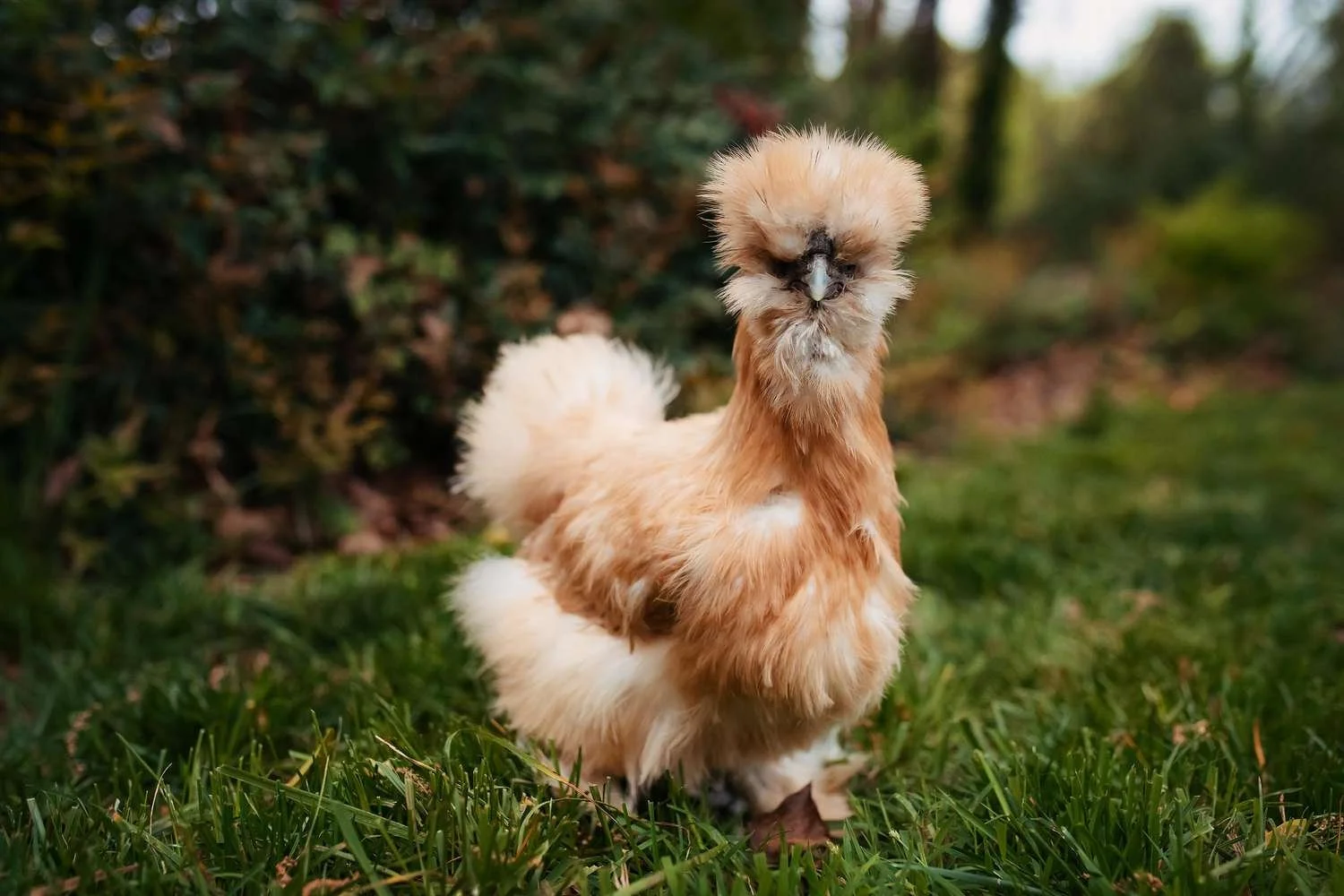
Silkies
Famous for their fluffy, fur-like feathers, friendly personalities, and tendency to go broody.
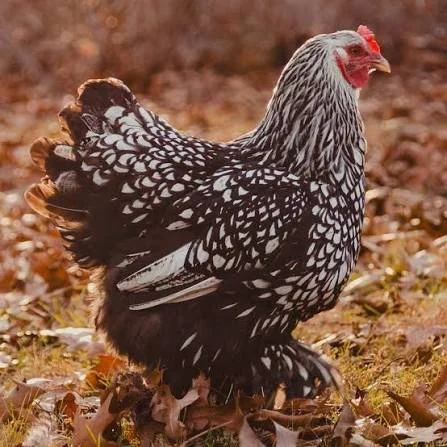
Cochins
Large, fluffy chickens with feathered legs that are often gentle and docile.
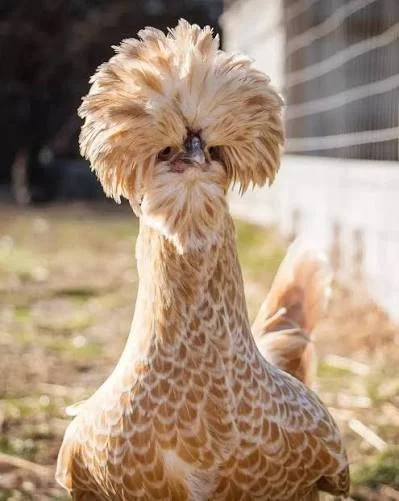
Polish
Recognizable by their enormous crests of feathers, making them one of the more unusual-looking chicken breeds.
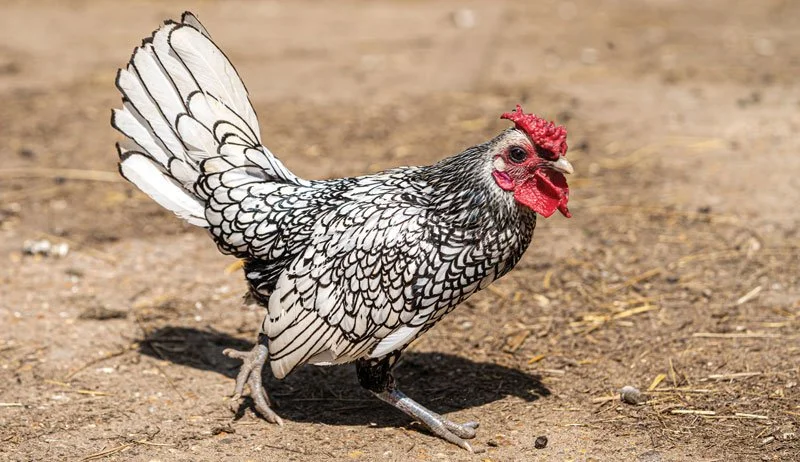
Bantam breeds
Smaller chickens that can make excellent additions to backyard flocks where space is limited.
These breeds are great if you want something a little different from your typical production chicken.
Just remember that ornamental breeds can still lay eggs, and some can be excellent mothers. Their primary appeal, however, is usually their appearance and personality.
Heritage Breeds
Now, if you want eggs, meat, a potential pet, and the ability to breed your own chickens, this is where heritage breeds really shine.
Heritage breeds are generally the best starting point for someone who wants a versatile, self-reproducing flock.
Unlike specialized commercial hybrids, established heritage breeds have more predictable characteristics when bred within their breed lines. You can maintain a breeding flock, hatch your own chicks, and work toward improving your flock's genetics over generations.
Some of my favorite heritage breeds to consider include:
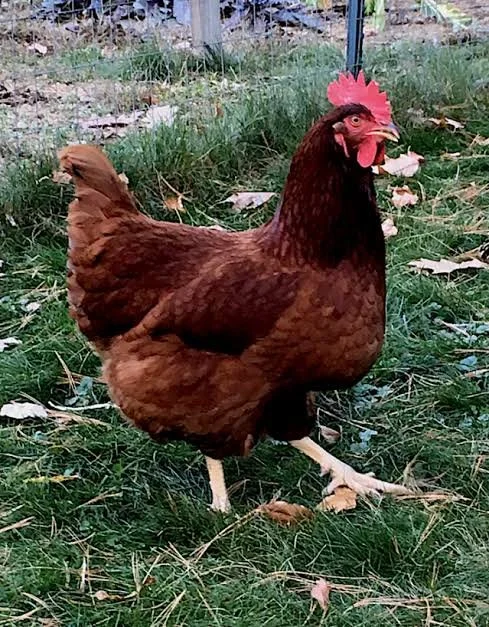
Rhode Island
Red
A hardy, productive dual-purpose breed that has earned its reputation as one of the most dependable chickens around. They're known for their brown egg production, adaptability, and usefulness in a variety of backyard and homestead environments.
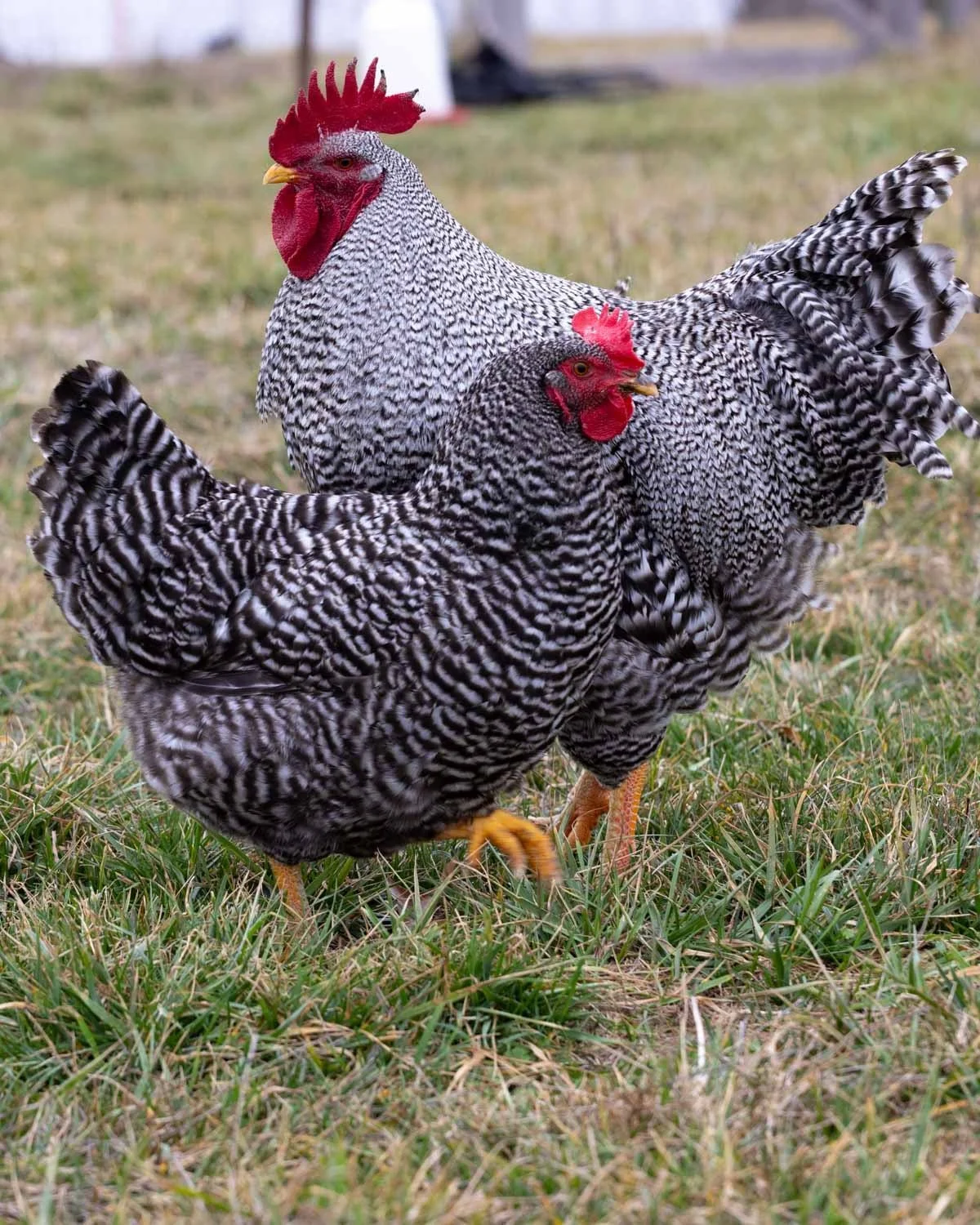
Barred Plymouth Rock
A classic American heritage breed. Barred Rocks are generally friendly, dependable egg layers and can also make good dual-purpose birds. They're a great option for someone wanting a versatile backyard chicken.
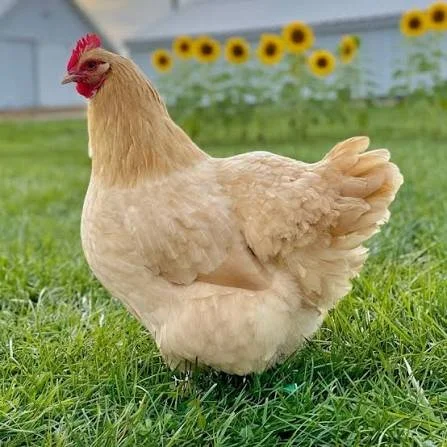
Buff Orpington
Known for their beautiful golden feathers and generally calm temperament, Buff Orpingtons are popular among backyard chicken keepers. They're dual-purpose birds that can also make excellent additions to a family flock.
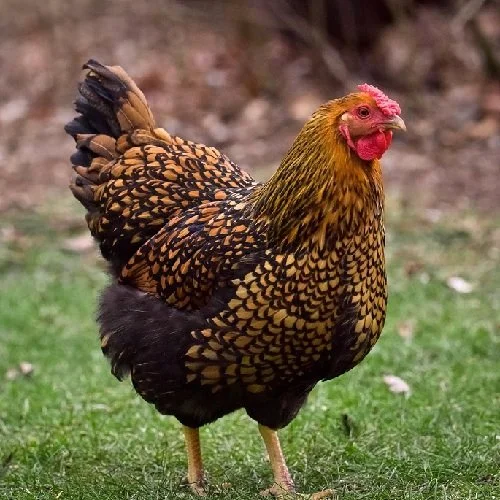
Wyandotte
If you're looking for a cold-hardy chicken with beautiful feather patterns, Wyandottes are worth considering. They're dual-purpose birds with good egg production and some of the most striking appearances you'll find in a traditional chicken breed.
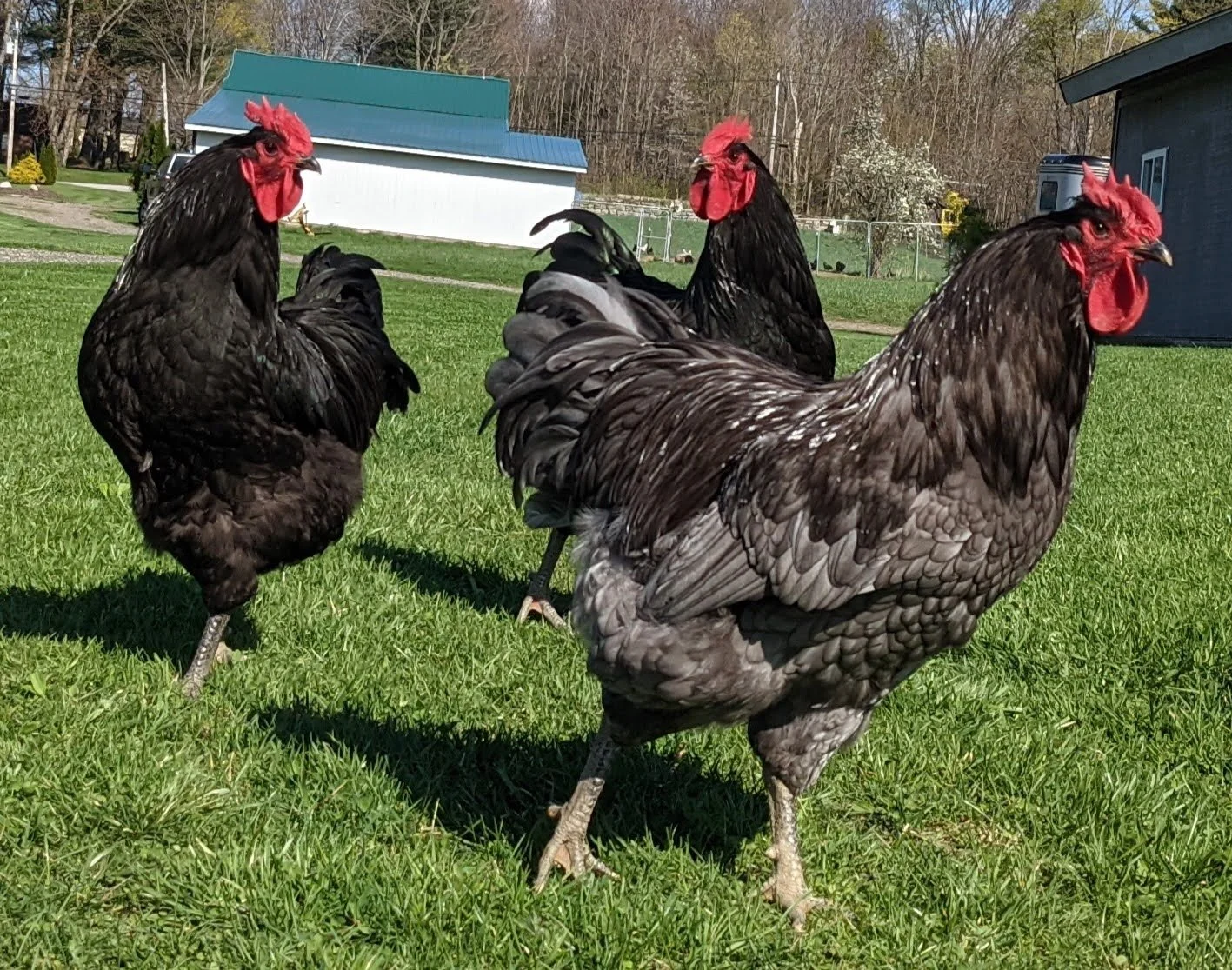
Jersey Giant
If size is what you're after, Jersey Giants are an interesting choice. They're large, dual-purpose heritage chickens that can provide both eggs and meat, although their slower growth means they aren't comparable to specialized meat birds in production efficiency.
Heritage breeds are a great foundation for anyone wanting to build a flock that can serve multiple purposes over time.
So, Which Chicken Breed Is Actually the Best?
Ultimately, picking the best chicken breed is largely a matter of personal preference and what you expect from your flock.
If you want the most eggs possible, production hybrids are hard to beat. If you want meat quickly, Cornish Cross birds are the commercial standard. If you want a unique backyard companion, ornamental breeds might be right up your alley. And if you want a little bit of everything, heritage breeds are an excellent place to start.
At Ben's Hens & Produce, we actually keep a combination of breeds. Our production backbone consists of Golden Comets, ISA Browns, Cinnamon Queens, California Tans, and Production Blues. These give us the consistent egg production we need while allowing us to enjoy the different personalities and characteristics each bird brings to the flock.
And that's really the point.
There is no perfect chicken breed that you can find online and expect to work for every situation. Your climate, available space, management style, production goals, and personal preferences all play a role in deciding which chickens are right for you.
Don't just ask which chicken breed is the best. Ask which chicken breed is best for what you're trying to accomplish.